Lean Mass & Longevity
GH Axis. Telomere Research. Cellular Energy.
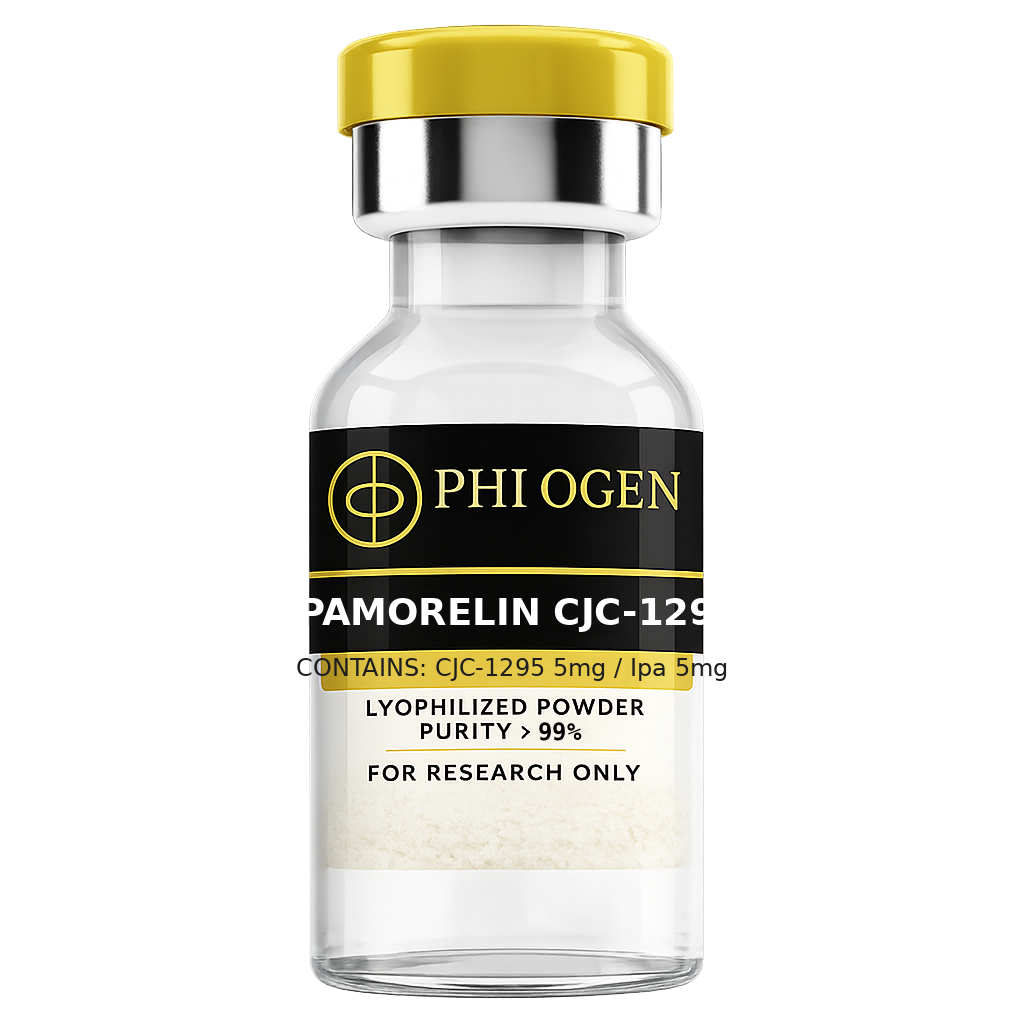
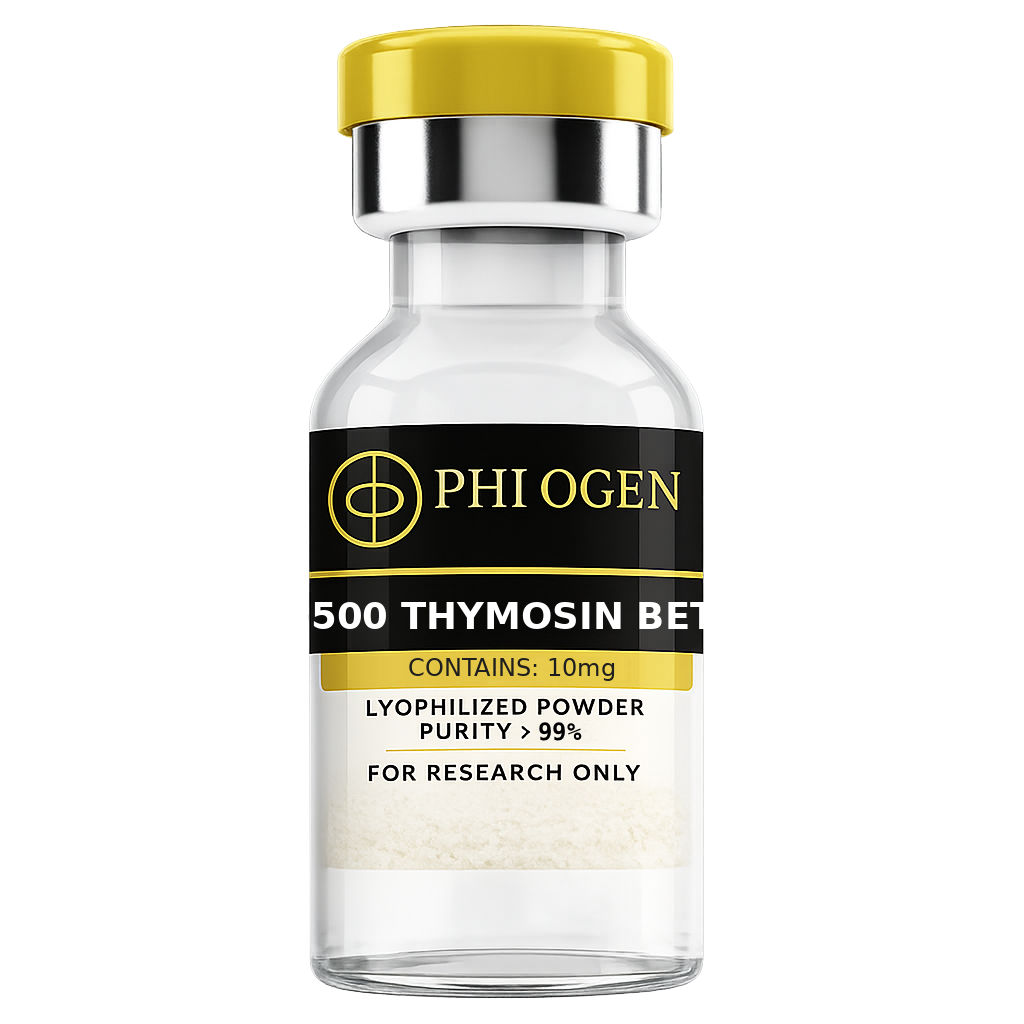
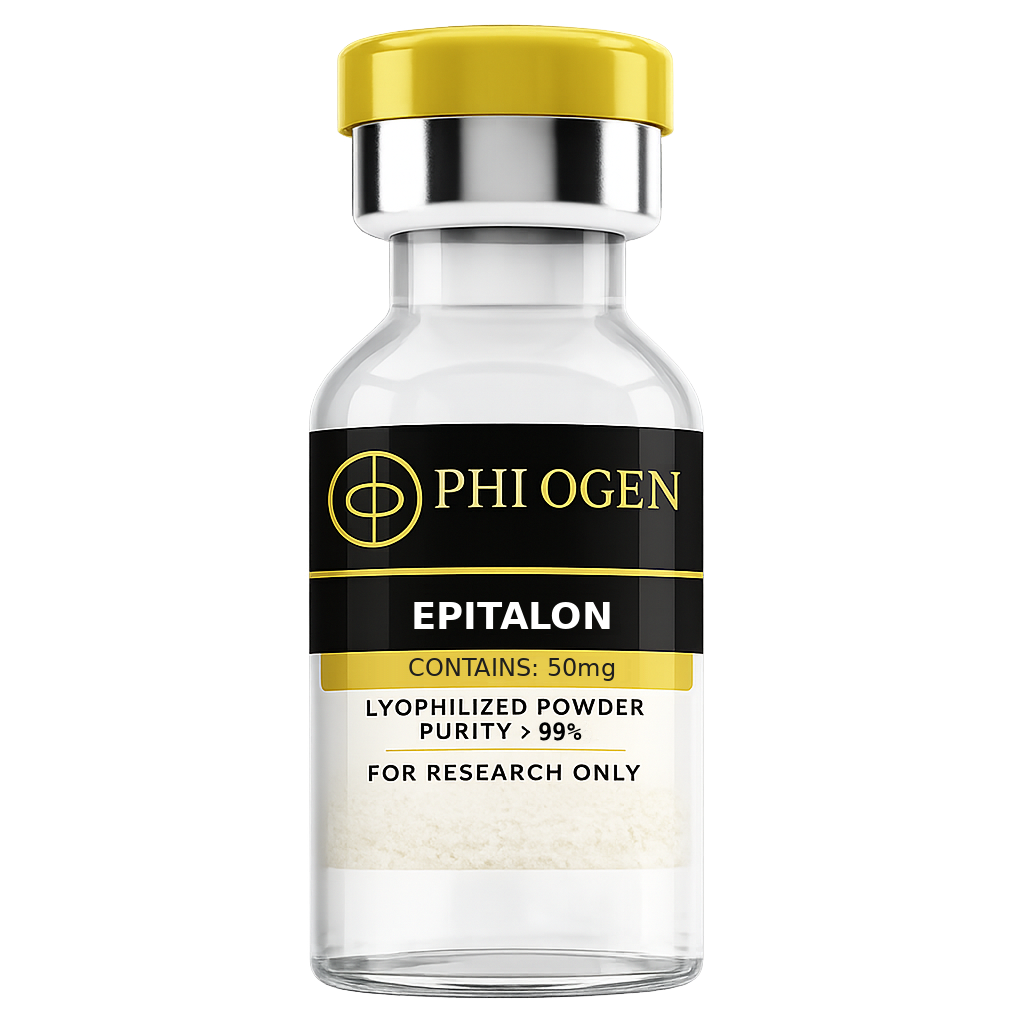
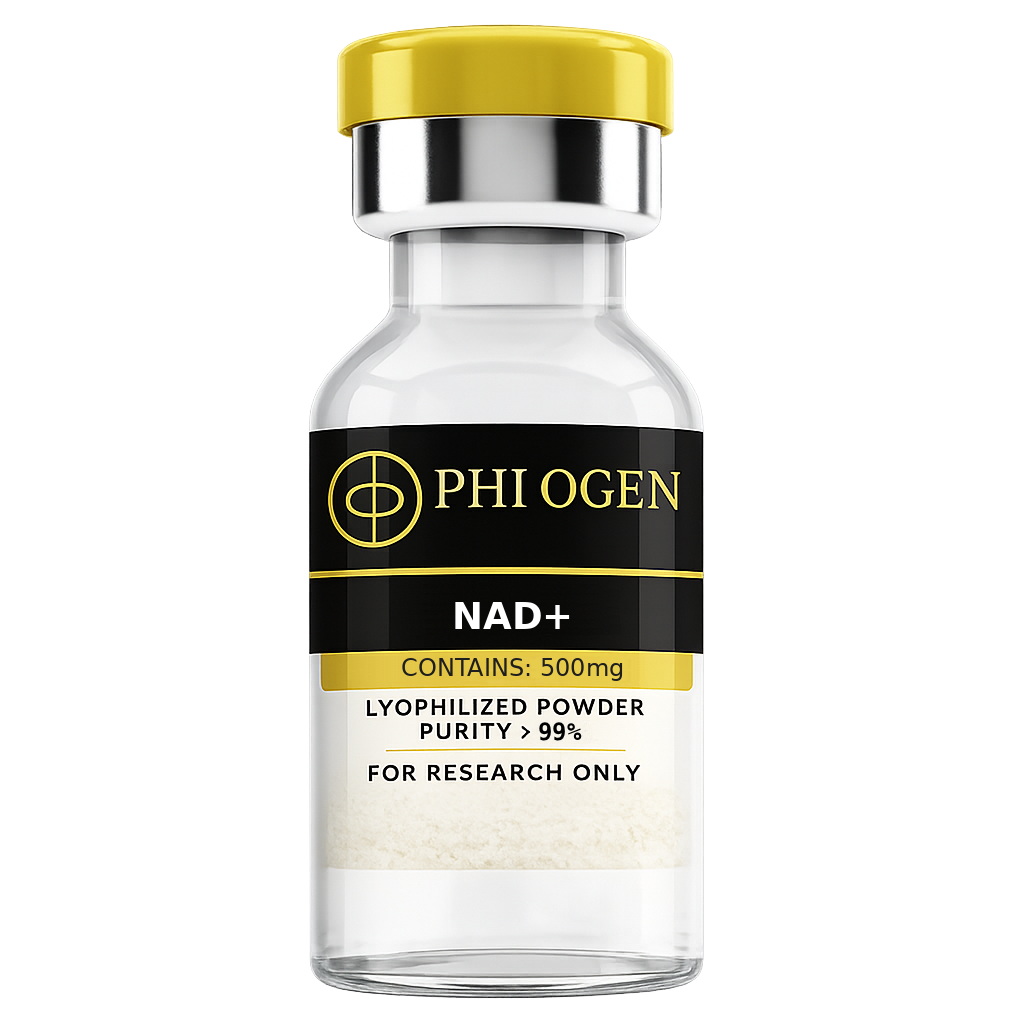
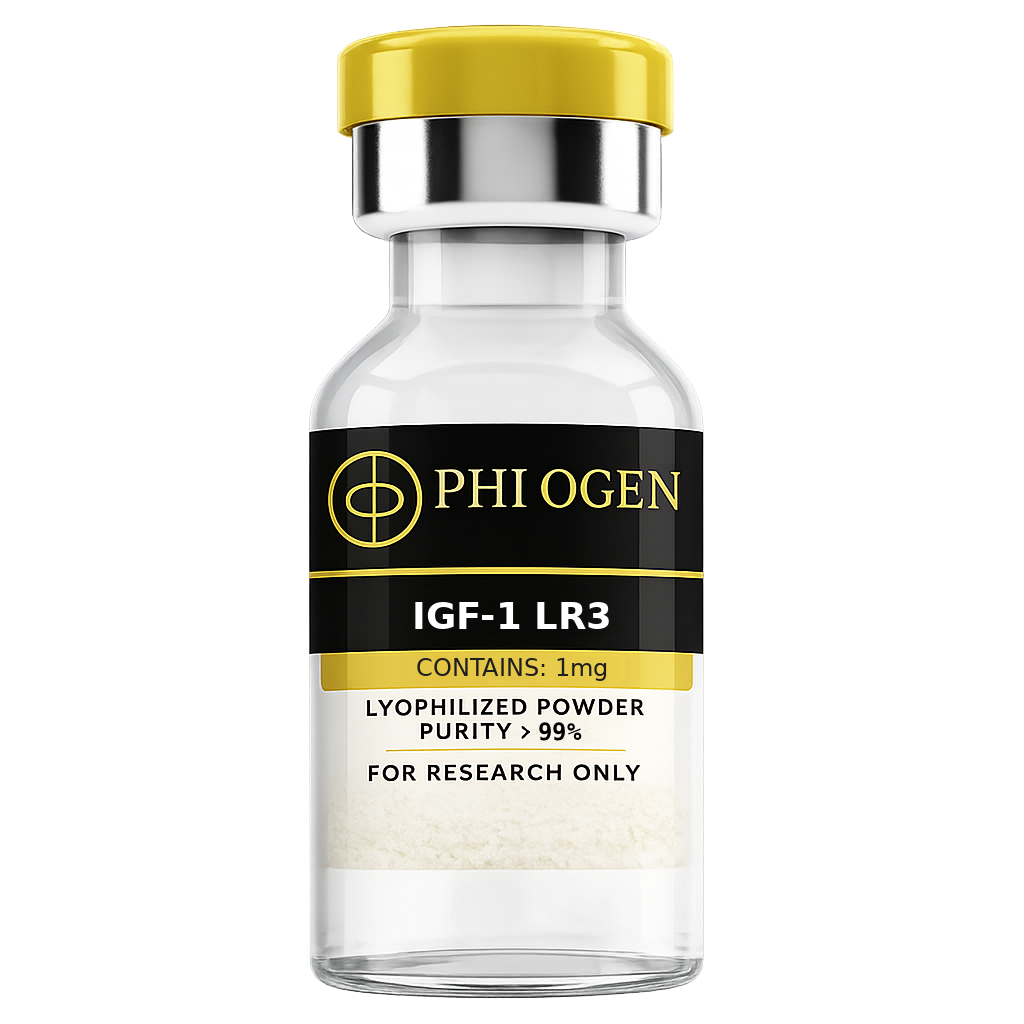
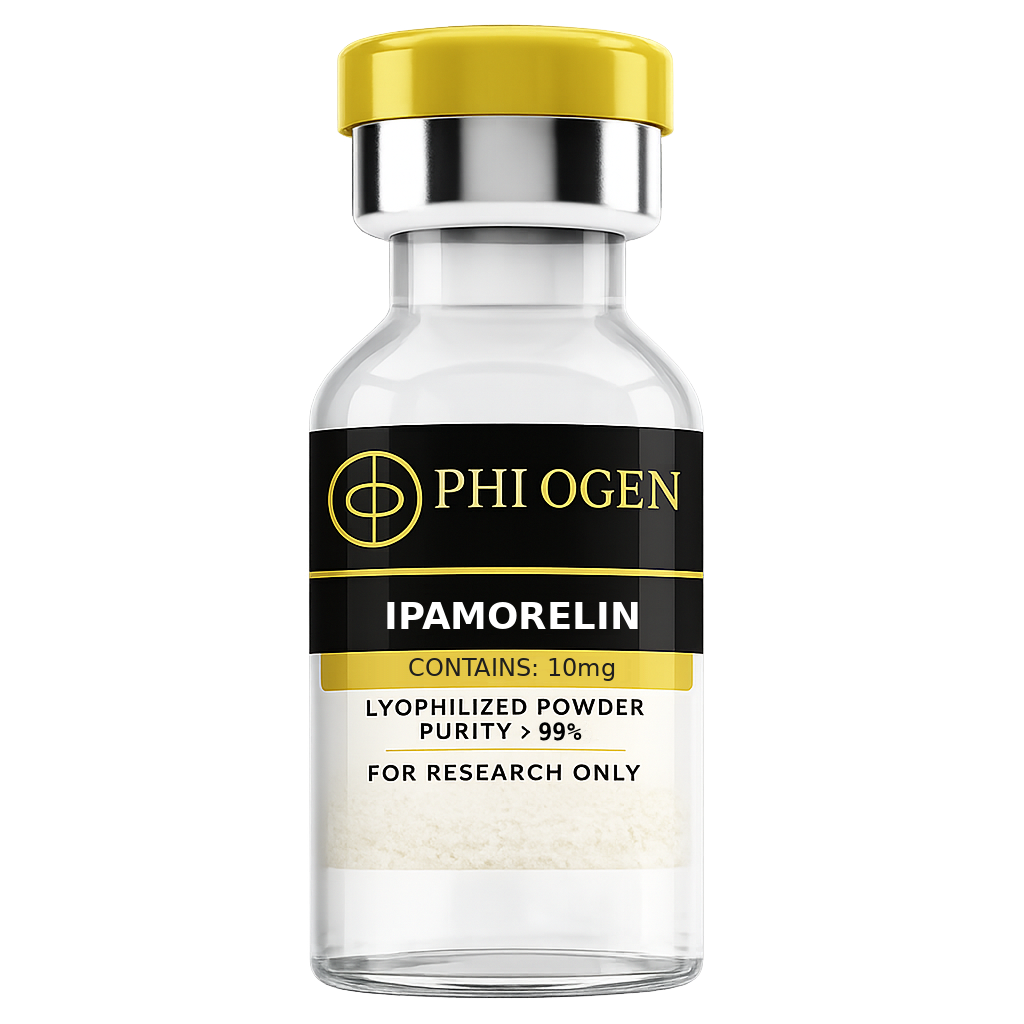
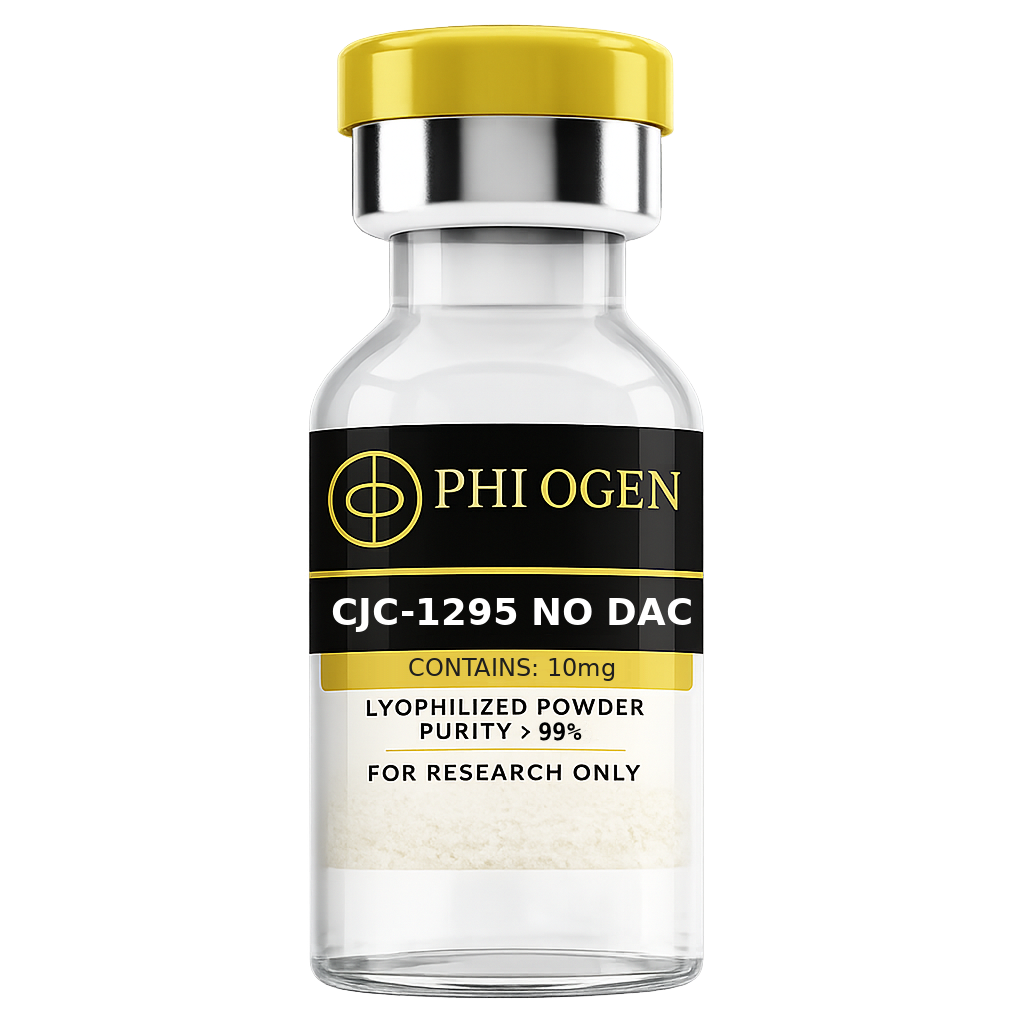
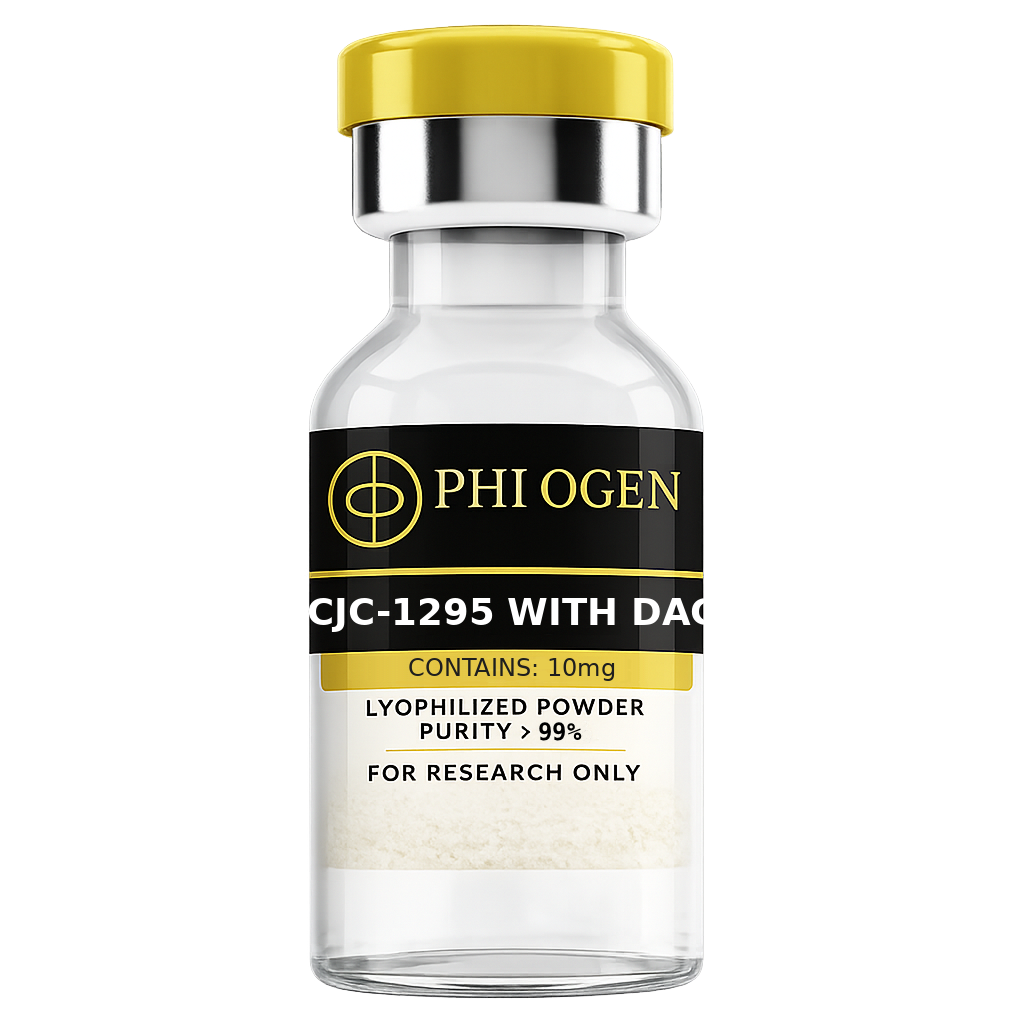
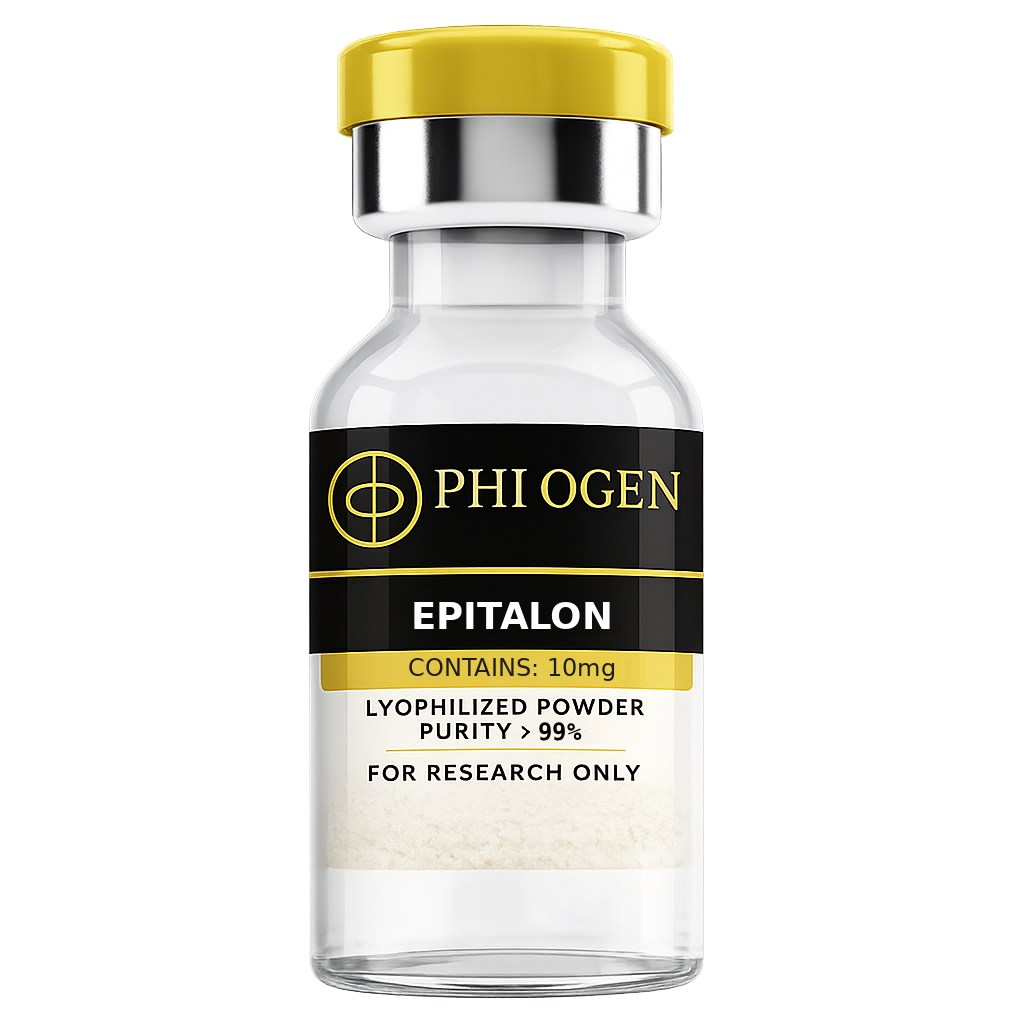
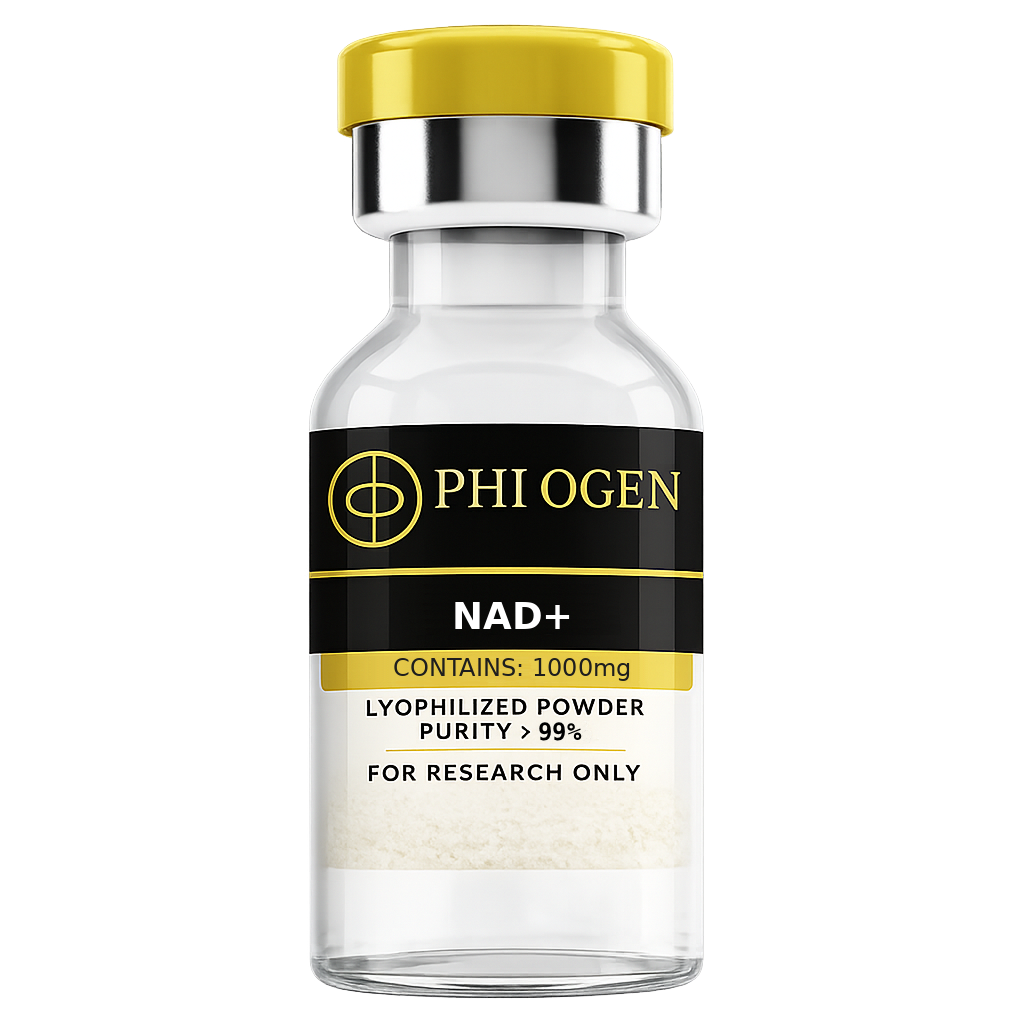
Five compounds spanning four distinct longevity and lean mass research pathways. CJC-1295/Ipamorelin targets the growth hormone axis through complementary GHRH receptor (amplitude) and GHS-R1a (frequency) mechanisms. IGF-1 LR3 extends downstream IGF-1R signaling. TB-500 addresses actin dynamics in tissue repair models. Epithalon targets telomerase activation. NAD+ restores the sirtuin and PARP substrate that declines ~50% between ages 40–60.
Lean Mass & Longevity — Research Compounds
Research FAQ — Lean Mass
Why combine CJC-1295 and Ipamorelin rather than use either alone?
CJC-1295 targets GHRH receptors — increasing GH pulse amplitude. Ipamorelin targets GHS-R1a — increasing GH pulse frequency. The two pathways are non-overlapping: combining them produces synergistic GH secretion that exceeds either compound alone. Ipamorelin's GHS-R1a selectivity means it doesn't significantly stimulate cortisol or prolactin at research concentrations — an advantage over older GHRPs.
What is the relationship between Epithalon and telomerase?
Epithalon (Ala-Glu-Asp-Gly) has been studied for telomerase (TERT) activation in cellular models. Telomerase extends telomeric repeats that shorten with each cell division — shortened telomeres are associated with cellular senescence. Studies by Khavinson et al. documented TERT upregulation and telomere length increases in human somatic cells following Epithalon treatment.
How does NAD+ decline affect longevity research?
NAD+ is the co-substrate consumed by both SIRT1–7 (epigenetic regulators) and PARP1 (DNA repair enzyme). As cellular NAD+ falls ~50% with age, both pathways lose substrate. Research explores whether NAD+ restoration can reactivate sirtuin-dependent deacetylation of PGC-1α (mitochondrial biogenesis) and restore PARP-1 DNA repair capacity to levels seen in younger tissue samples.